Senior Horse Supplements for Joints & Healthy Aging
As horses age, they may face health challenges that require special care. Senior horse supplements can provide targeted support to help maintain joint health, proper digestion, weight management, and immune function, to help your horse stay healthy and comfortable throughout their golden years.
- Not Sure Where to Start?
- Online Supplement Wizard
- Free Supplement Consultation

-
$44.95 - $336.79
-
$46.55 - $139.99
-
$12.65 - $152.95
-
$36.95 - $139.95
-
$64.40 - $144.99
-
$46.48 - $139.99
-
$44.33 - $104.89
-
$28.95 - $262.05
-
NEW$169.00 - $177.45
-
NEW$117.00 - $122.85
-
$71.68 - $112.99
-
$93.19 - $294.52
-
$19.95 - $82.05
-
$36.40 - $114.99
-
$33.95 - $109.42
-
$18.19 - $144.99
-
$14.46 - $86.99
-
$9.07 - $162.48
-
$8.68 - $119.95
-
$49.95 - $199.95
-
$39.66 - $84.99
-
$23.93 - $262.05
-
$14.99 - $15.78
-
$14.20 - $85.39
-
NEW$265.00 - $278.25
-
$8.64 - $115.67
-
$40.95 - $478.89
-
$50.32 - $432.50
-
$22.95 - $272.58
-
$50.40 - $240.99
-
$38.36 - $114.99
-
$100.03 - $299.69
-
$34.44 - $116.49
-
$40.04 - $230.33
-
NEW$37.99 - $148.99
-
$7.95 - $41.00
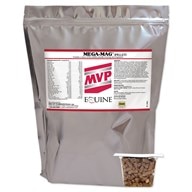
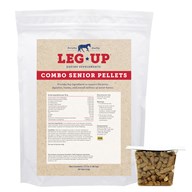
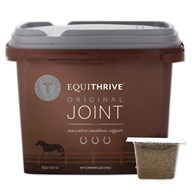
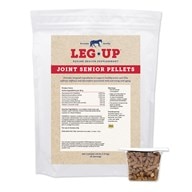

 pricing today by activating your FREE Benefits!* Here's how:
- 10% off all Smartpak brand tack, apparel, blankets, and more
- Free shipping every day
- Exclusive sales & discounts delivered straight to your inbox
Keep Your Senior Horse Going Strong with Supplements
With advancements in nutrition, medicine, and management, horses are living longer than ever before. Unfortunately, with age comes the decline of many bodily systems as they lose their ability to function as efficiently. Talk to your veterinarian about how you can support your older horse through their golden years with a supplement that helps them maintain optimal health.
Types of Supplements for Older Horses
Senior Horse Joint Supplements
Normal aging and years of wear and tear can significantly impact a horse’s joints, tendons, and ligaments. Many horses become stiff or arthritic and generally uncomfortable in their later years. A daily senior horse joint supplement may help combat soft tissue damage and could keep your horse, whether retired or still in work, more comfortable. Ingredients such as glucosamine, chondroitin, collagen, MSM, and herbs in senior joint formulas support soft tissues and normal cartilage health.
Weight Gain and Muscle Support Supplements
Older horses experience a decreased ability to digest, absorb, and metabolize nutrients, which can lead to a diminished body condition. You may also notice your horse’s topline and belly beginning to drop because of a weakening of the connective tissues and a breakdown of muscle mass as they age. A weight gain supplement that includes healthy fats from sources like flaxseed, rice bran, and coconut meal can provide extra calories and essential fatty acids that may benefit your senior horse. Plus, muscle supplements have amino acids, such as lysine, methionine, and threonine, to support normal muscle health.
Note, if your horse begins to lose weight rapidly or is having trouble maintaining weight, it’s always a smart idea to have your veterinarian perform a complete physical exam to make sure there are no underlying medical causes.
Digestive Support for Senior Horses
Many digestive issues, from loose stool to choke, are more common in older horses. Seniors often have dental issues that hinder chewing along with less efficient digestion and absorption of nutrients. High-quality grass hay with soft stems, soaked hay cubes, or chopped hay fortified with vitamins and minerals can be helpful for seniors. Additionally, a digestive supplement can help balance the gastrointestinal system through stress and upset with ingredients like pre- and probiotics, yeast, and enzymes.
Equine Immune System Supplements
Aging is connected to a weakening of the immune system, which can lead to an increased likelihood of infections and slower healing. Adaptogenic herbs, such as ginseng and astragalus, and potent antioxidants, like vitamins C and E, can help protect cellular health and fight free radicals. Further, immune system supplements with omega fatty acids may help your senior’s body respond to inflammation and assist in the absorption of fat-soluble vitamins A, D, E, and K.
Pituitary Support for Senior Horses
Stress over a long lifetime can impact your horse’s pituitary gland function, which is responsible for producing several hormones . Pituitary challenges put stress on a horse’s immune system, contribute to a loss of muscle tone, and may prevent them from properly shedding their coat. Ingredients in equine pituitary health supplements like chasteberry (vitex agnus castus) and adaptogenic herbs can support proper endocrine function and normal haircoat shedding. Speak with your veterinarian about supplements that may complement your horse’s prescription medications.
Serving Your Senior’s Needs with a Multipurpose Supplement
Another option for owners is to feed a multipurpose senior supplement. A multipurpose formula includes a combination of different ingredients to target several key areas of senior health, whether it be hoof, hindgut, or skin health, all in one convenient formula.